
Rice pudding is a classic creamy comfort food found in the best London cafés. This thick and rich rice pudding recipe is flavored with vanilla for a dessert that feels like a warm hug. Follow this simple guide to achieve the perfect creamy consistency every time.
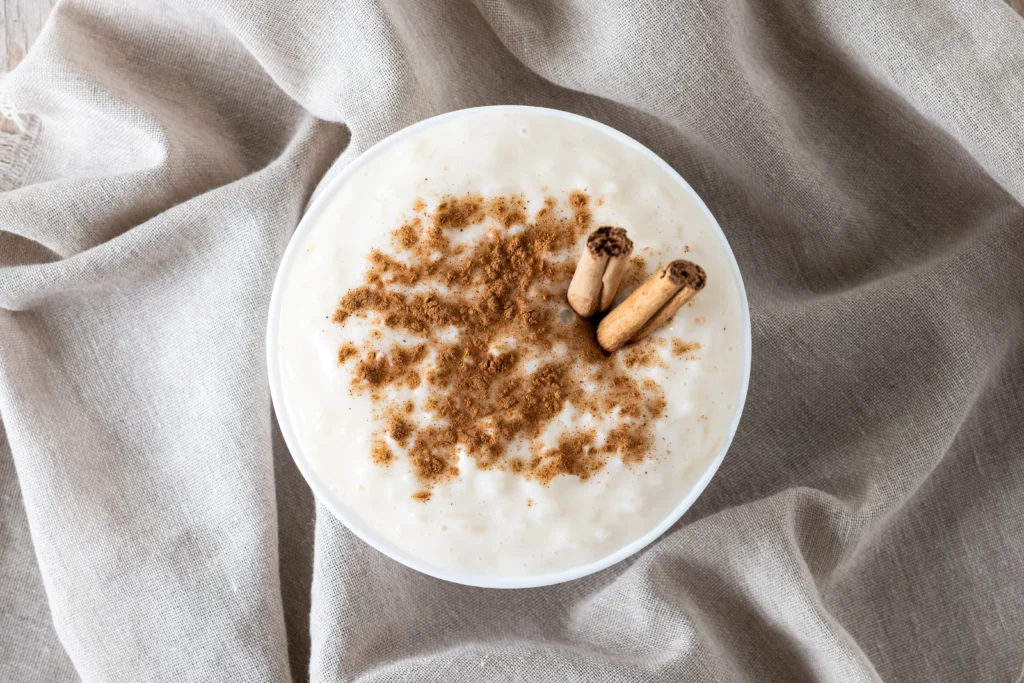
There is a unique comfort in a bowl of Traditional Rice Pudding, a dish that feels like a warm embrace on a rainy afternoon. My love for it began in a quiet kitchen scented with nutmeg, where I learned that this dessert is an exercise in patience. It’s the simple sophistication of watching humble grains transform into a velvet masterpiece over a slow, low flame. Elevated by a touch of vanilla bean and a dusting of cinnamon, every spoonful feels like a return to a more intentional way of living. It is the perfect, cozy end to any evening, and I’m so pleased to share my version with you.
Why Rice Pudding is a Global Comfort Food Favorite
Rice Pudding is a beloved classic dessert known for its creamy texture and comforting flavor. While it is a staple of British cuisine, variations of this creamy rice-based treat are enjoyed by cultures all over the world. Whether you are in the UK or elsewhere, this dish represents the ultimate in home-style cooking.
Often associated with childhood memories and cozy evenings, Rice Pudding transforms basic pantry staples into a slow-cooked masterpiece. Its mild sweetness and smooth consistency make it a universal favorite for all ages, serving as both a nostalgic dessert and a satisfying sweet meal.
Secrets to Baking the Perfect Creamy Rice Pudding Consistency
Serves: 4–6
Total Time: Approximately 90 minutes
Flavour Profile: Creamy, mildly sweet, comforting, and smooth
Simple Ingredients for This Classic Dessert
- 100 g short-grain pudding rice
- 1 litre full-fat milk
- 50 g caster sugar
- 1 tablespoon unsalted butter
- ½ teaspoon vanilla extract
- ¼ teaspoon ground nutmeg (optional)
Step-by-Step Instructions for Slow-Baked Rice Pudding Bliss
- Preheat the oven:
- Set the oven to 160°C (320°F). Lightly grease an ovenproof dish with butter.
- Add ingredients to the dish:
- Place the rice into the prepared dish and sprinkle over the sugar. Pour in the milk and stir gently to combine.
- Add flavouring:
- Stir in the vanilla extract and add small knobs of butter across the surface. Sprinkle nutmeg on top if using.
- Bake slowly:
- Place the dish uncovered in the oven and bake for 90 minutes. Stir gently once or twice during cooking to prevent sticking.
- Check consistency:
- The pudding is ready when the rice is tender and the surface is lightly golden. The texture should be creamy but not runny.
- Rest before serving:
- Remove from the oven and allow it to rest for 10 minutes, during which it will thicken slightly.
🍽 Serving and Storage Tips
Rice Pudding can be served warm for maximum comfort or cooled and chilled for a firmer consistency. It pairs well with simple toppings such as fruit preserves, cinnamon, or a drizzle of honey. Leftovers can be stored in the refrigerator for up to three days and reheated gently with a splash of milk to restore creaminess.
This dessert is also ideal for batch cooking, as its flavour develops further after resting. Whether served plain or enhanced with additions, Rice Pudding remains a timeless choice for a satisfying and soothing dish.
Nutrition*
- Per serving:
- Calories: 290 kcal
- Protein: 8 g
- Carbohydrates: 38 g
- Fat: 12 g
- Saturated Fat: 7 g
- Cholesterol: 35 mg
- Sodium: 95 mg
- Potassium: 320 mg
- Fiber: 0.5 g
- Calcium: 280 mg
- Iron: 0.6 mg
*Nutrition data is calculated by an automated system and may vary, so it is provided as an estimate.
Rice Pudding continues to be cherished because it delivers comfort without complication. Its creamy texture, gentle sweetness, and simple preparation make it a reliable dessert for everyday enjoyment. Whether baked slowly in the oven or adapted with toppings, this classic dish remains a symbol of home-style British cooking.