
A classic layered British dessert rich in history and celebration
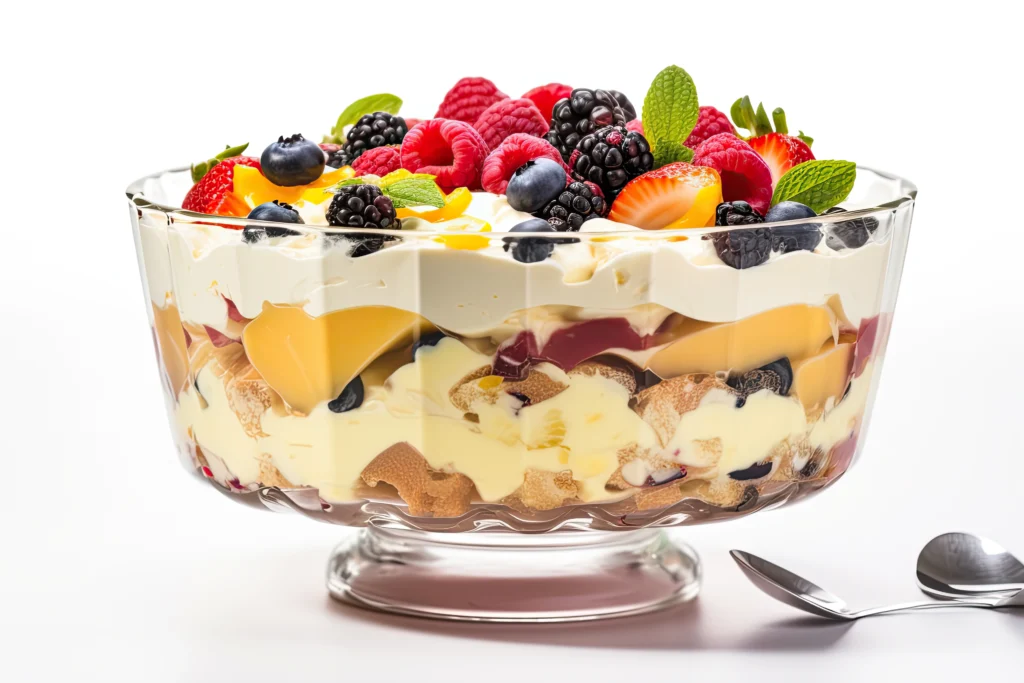
London dessert recipes are some of the most recognisable and beloved sweets in British food culture. Among them, trifle holds a particularly special place in London’s traditional dining scene. Trifle is one of the most recognisable desserts in British food culture, and it holds a particularly special place in London’s traditional dining scene. Often served at festive gatherings, Sunday lunches, and celebrations, trifle is known for its beautiful layers and indulgent flavours. This dessert brings together soft sponge, fruit, custard, and cream, creating a visually striking and satisfying sweet that feels both nostalgic and elegant. London dessert recipes showcase classic British sweets and modern café treats inspired by London bakeries. These recipes are perfect for celebrations or everyday indulgence.
The popularity of trifle in London comes from its versatility and ability to serve a crowd. Unlike single-portion desserts, trifle is designed to be shared, presented in a large glass bowl that showcases its colourful layers. Each spoonful offers a combination of textures, from tender sponge soaked with flavour to silky custard and light cream. The balance between sweetness and freshness makes it enjoyable without feeling overly heavy.
Easy London Dessert Recipe for Beginners
Serves: 6–8
Total Time: Approximately 45 minutes plus chilling
Flavour Profile: Creamy, fruity, soft, and lightly sweet
Ingredients
- For the base:
- 1 plain sponge cake or trifle sponges, cut into pieces
- 300 g mixed berries or fruit cocktail
- 2 tablespoons fruit syrup or juice
- For the custard layer:
- 500 ml ready-made or homemade custard
- For the topping:
- 300 ml double cream
- 1 tablespoon icing sugar
- ½ teaspoon vanilla extract
Instructions
- Prepare the sponge layer:
- Arrange the sponge pieces evenly across the base of a large glass serving bowl. Drizzle lightly with fruit syrup to add moisture and flavour.
- Add the fruit:
- Spread the fruit over the sponge layer, ensuring even coverage so each serving includes fruit.
- Pour over the custard:
- Slowly pour the custard over the fruit layer, smoothing the surface gently. Allow it to settle into the sponge.
- Chill the trifle:
- Place the bowl in the refrigerator for at least 30 minutes to allow the layers to firm slightly.
- Whip the cream:
- In a separate bowl, whip the double cream with icing sugar and vanilla extract until soft peaks form.
- Finish the dessert:
- Spread the whipped cream evenly over the chilled custard layer. Smooth or swirl the surface for a decorative finish.
🍽Serving and Presentation Tips
Trifle is best served chilled, allowing the layers to hold their shape. Use a large spoon to scoop down through all the layers so each portion includes sponge, fruit, custard, and cream. For formal occasions, the trifle can be decorated with fruit, chocolate shavings, or toasted nuts on top. It is an excellent make-ahead dessert, as chilling improves the texture and flavour.
Leftover trifle should be stored in the refrigerator and enjoyed within two days for best quality.
Nutrition*
- Per serving:
- Calories: 360 kcal
- Protein: 6 g
- Carbohydrates: 42 g
- Fat: 18 g
- Saturated Fat: 11 g
- Cholesterol: 85 mg
- Sodium: 140 mg
- Potassium: 220 mg
- Fiber: 2 g
- Calcium: 130 mg
- Iron: 1.4 mg
*Nutrition data is calculated by an automated system and may vary, so it is provided as an estimate.
London’s famous trifle continues to be a favourite because it blends tradition, flavour, and presentation into one memorable dessert. Its layered structure, creamy richness, and fruity freshness make it suitable for both everyday enjoyment and special celebrations. Easy to assemble and visually impressive, trifle remains a timeless British classic.