
Shortcrust pastry (pâte brisée) is a sturdy, versatile dough valued for its crisp, biscuit-like texture. Fat coats the flour to limit gluten development, creating a tender, melt-in-the-mouth base ideal for quiches and fruit tarts.
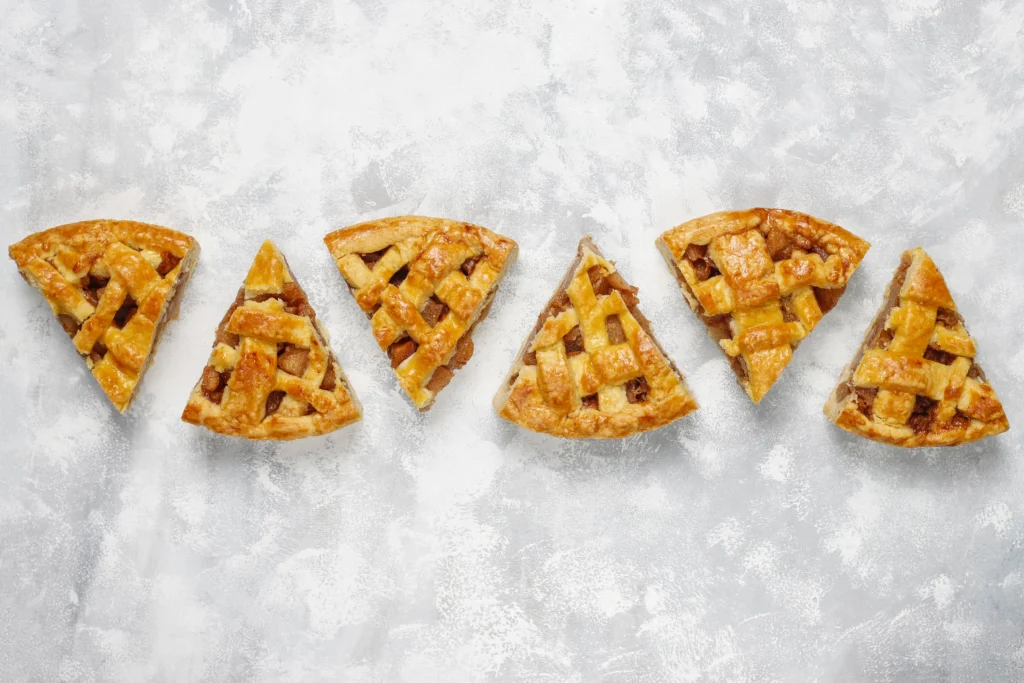
Perfect Buttery Crumble: Shortcrust Pastry
Achieving a “melt-in-the-mouth” shortcrust requires a delicate balance of cold fats and minimal handling. To ensure a perfect buttery crumble, use high-fat European-style butter and ice-cold water. The secret lies in the “rubbing-in” method, where butter is pinched into flour until it resembles coarse breadcrumbs; these tiny pockets of fat create the signature flaky yet sandy texture.
By adding a splash of apple cider vinegar or vodka, you inhibit gluten development, guaranteeing a tender snap rather than a chewy bite. This pastry isn’t just a vessel; it is a rich, buttery foundation that shatters perfectly upon impact. For the best results, chill the dough twice—once after mixing and once after rolling—to prevent shrinkage and lock in that professional, golden-brown crispness.
About me
Based in London, [Name] is a recipe developer and food photographer who has led the culinary conversation at [Site Name] since 2025. With over a decade of experience, He specializes in creating triple-tested, accessible recipes that bring gourmet flavors to the everyday home kitchen.
What Makes Shortcrust So Special
Shortcrust pastry is defined by its “shortness”—a baking term describing a texture so tender it snaps and crumbles rather than stretching. Unlike bread, where we encourage long, elastic gluten strands, shortcrust is a masterpiece of inhibited gluten. By rubbing cold butter into the flour, you essentially waterproof the flour particles with fat. This physical barrier prevents water from fully hydrating the proteins, keeping the gluten chains “short” and fragile.
What truly sets this pastry apart is the temperature-controlled flakiness. When cold, distinct pockets of butter are trapped within the dough. As the pastry hits the intense heat of the oven, the water in the butter evaporates instantly, creating tiny bursts of steam. These micro-explosions lift the flour layers from within, resulting in that iconic, buttery shatter. Combined with its high fat-to-flour ratio, shortcrust provides a rich, savory-sweet depth that serves as the perfect structural yet delicate foundation for any gourmet filling.
External links
The Buttery Shatter: Gold-Standard Shortcrust
Ingredients
Equipment
Method
- Chilled FoundationSift 300g flour and ½ tsp salt. Add 225g frozen butter cubes. Toss until every cube is white and coated in flour.
- The Rub-In TechniqueUsing a pastry cutter or fork, "cut" the butter into the flour. Stop when the mixture looks like coarse sand but still has a few pea-sized lumps of butter visible.
- Binding the DoughMix 1 tsp vinegar into 4 tbsp ice water. Drizzle over the mix. Use a fork to toss until the flour is hydrated and clumps into a shaggy mass.
- Relaxation PeriodTurn the dough onto a surface. Gently press (don't knead) into a flat disc. Wrap in plastic and chill for 1 hour.
- Precision RollingDust your surface with flour. Roll the dough from the center outward to a 3mm thickness. Drape it over your 9" tin and press into the edges.
- The Blind BakeLine the dough with parchment and fill with ceramic weights. Bake at 375°F for 15 mins. Remove weights and bake for 10 more mins until golden.
Notes
🍽️ Serving & Presentation
To highlight the “shatter” texture of this Shortcrust Pastry, follow these professional presentation cues:- The Golden Reveal: Once the pastry is fully baked, allow it to cool in the tin for 15 minutes before removing. This allows the butter to set, ensuring a clean, sharp edge when you lift the rim.
- The “Shatter” Slice: Use a serrated knife with a gentle sawing motion. This prevents the delicate, short crumb from crushing, maintaining those beautiful, flaky layers.
- Aesthetic Pairing: For sweet tarts, a light dusting of powdered sugar against the golden crust adds contrast. For savory quiches, serve on a dark slate or matte ceramic plate to make the buttery hue pop.
- Temperature: Serve slightly warm to enhance the buttery aroma, or chilled if using a fresh fruit and pastry cream filling.
How to Store & Prepare in Advance
- Refrigeration (Raw)3 – 5 DaysWrap the dough disc tightly in plastic wrap to prevent it from drying out or absorbing odors
- .Freezing (Raw)Up to 3 MonthsSeal the wrapped disc in a freezer-safe bag. Thaw in the fridge overnight before rolling.
- Room Temp (Baked)2 DaysStore the cooled, empty shell in an airtight container to maintain its crispness.
- Freezing (Baked)1 MonthWrap the baked shell (in the tin) tightly. Re-warm in a 300°F oven for 5 minutes to restore the snap.
Alternative recipes
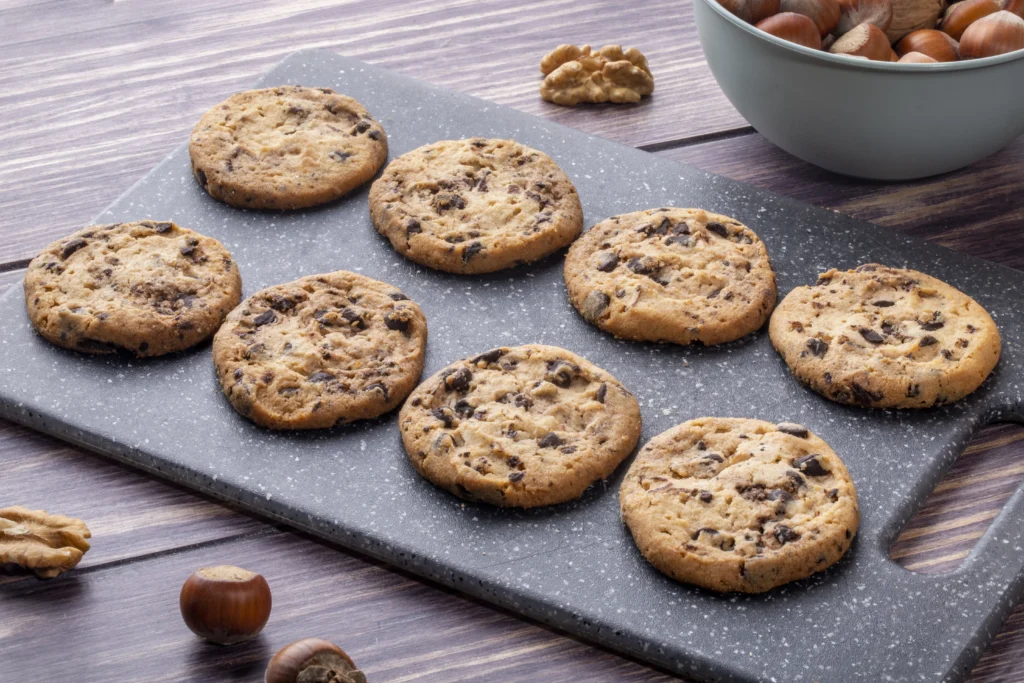
Chocolate Chip Cookies with Brown Butter
This Chocolate Chip Cookie is…
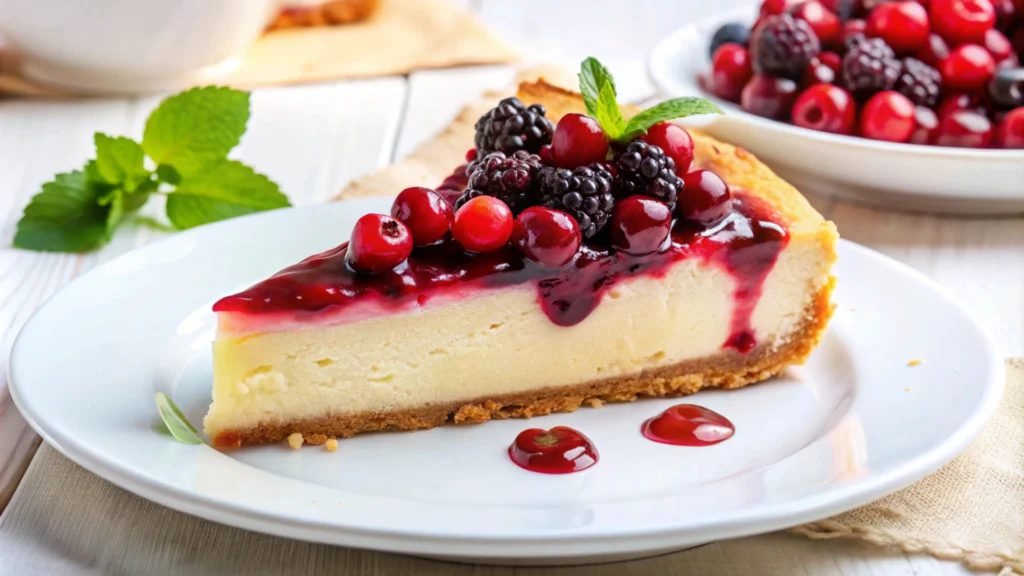
Vanilla Bean Cheesecake with Raspberry Coulis
This baked cheesecake celebrates the…
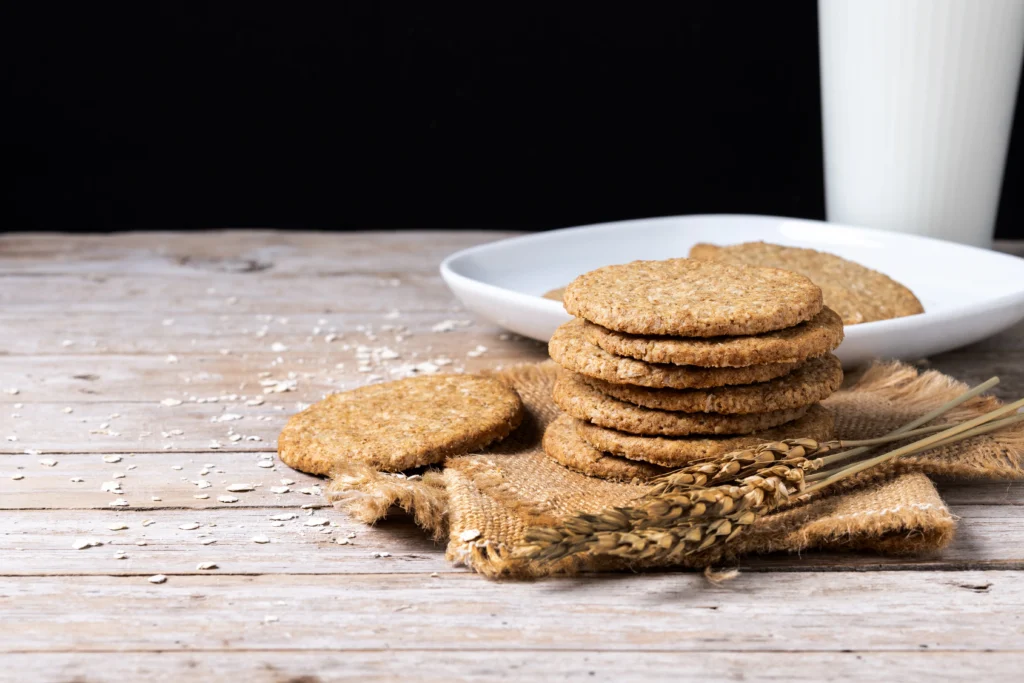
Wholewheat Digestive Biscuits with Dark Chocolate
This Wholewheat Digestive Biscuits is…
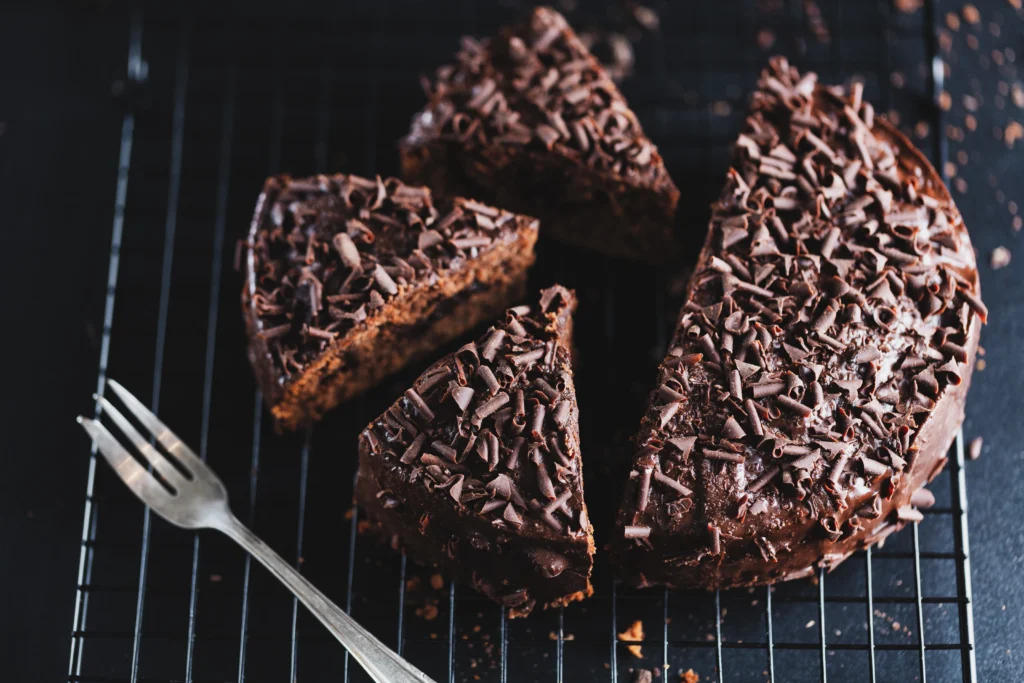
Ultimate Chocolate Fudge Cake: A Masterclass in Decadence
The Chocolate Fudge Cake is…