
The Beef Lasagna is a towering achievement of slow-cooked comfort. Built upon the “Golden Layering” principle, this dish balances a deeply reduced meat ragù with velvet-smooth Béchamel. Far more than a simple pasta bake, it is a refined, architectural masterpiece that rewards patience, allowing rich flavors to deepen and mature into a soulful, multi-sensory experience.
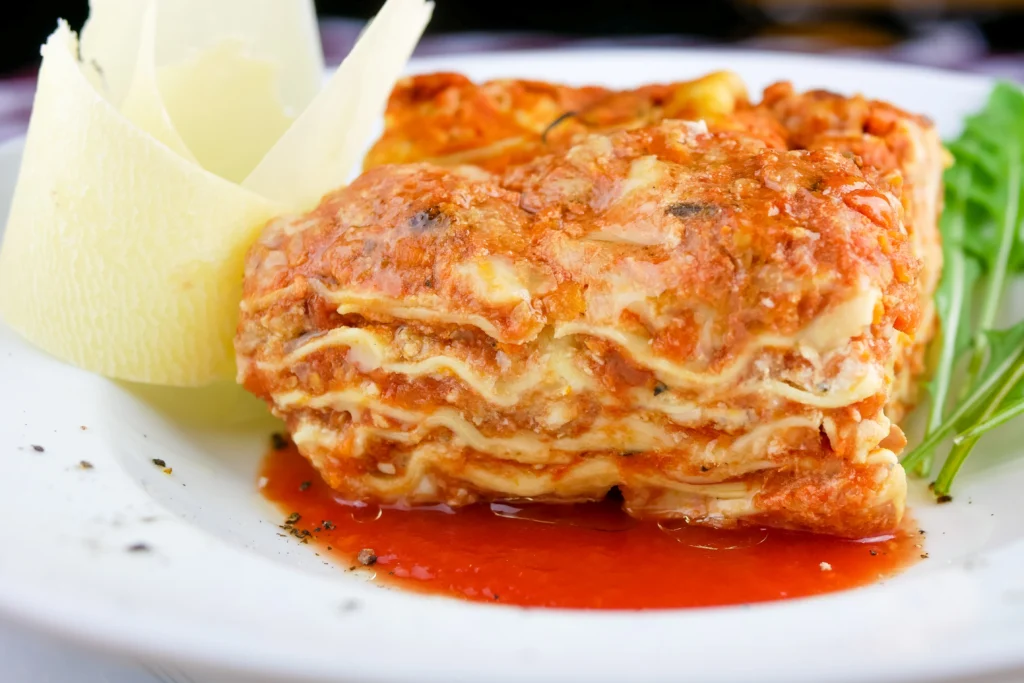
Hearty Layers & Savory Beef
The secret to a structural masterpiece lies in the concentration of flavor. This lasagna shuns the watery ricotta of quick recipes for a traditional, velvet-smooth Béchamel and a deeply reduced Bolognese.
The Pillars of Flavor:
- The Savory Beef: Begin by searing high-fat ground beef until deeply browned. De-glaze with a dry red wine and simmer with a soffritto (onion, carrot, celery) for at least two hours. This long cook time transforms the tomato acidity into a rich, savory umami base.
- Nutmeg Béchamel: Instead of curd-like cheese layers, use a silky white sauce infused with fresh-grated nutmeg. This acts as the “glue,” binding the pasta to the meat while providing a luxurious, creamy mouthfeel.
- Structural Integrity: Use thin egg pasta sheets. The key is the Rest Period: letting the lasagna sit for 20 minutes post-bake ensures the layers settle, allowing for a perfect, vertical slice that doesn’t collapse.
This process creates a dense, multi-layered experience where the sweetness of the milk meets the salty depth of Parmesan and the robust, slow-cooked beef.
About me
Based in London, [Name] is a recipe developer and food photographer who has led the culinary conversation at [Site Name] since 2025. With over a decade of experience, He specializes in creating triple-tested, accessible recipes that bring gourmet flavors to the everyday home kitchen.
The Harmony of Proportions: Sauce, Pasta, and Cheese
Achieving the perfect lasagna is an exercise in culinary architecture. The balance of sauce, pasta, and cheese is what separates a soggy, collapsed heap from a towering, restaurant-quality slice. To master this, you must treat each component as a functional layer rather than just an ingredient.
The Moisture Equilibrium
The greatest pitfall is excess liquid. Your Bolognese should be reduced until it is thick and jammy, while your Béchamel acts as the creamy counterweight. By using a 1:1 ratio of red to white sauce, you ensure the pasta is hydrated without becoming waterlogged. The Béchamel serves as a protective barrier, preventing the tomato acidity from toughening the delicate egg pasta.
The Internal Glue
Instead of using wet cheeses like ricotta or fresh mozzarella inside, rely on finely grated Parmigiano-Reggiano. This aged cheese seasons the meat and creates a “Velcro” effect, binding the pasta sheets to the sauce. This friction is essential for structural integrity; it ensures that when you cut into the lasagna, the layers remain distinct and vertical.
The Golden Lid
The final balance is struck on the top layer. Use a high-moisture Mozzarella only for the crust to create a bubbling, protective shield that traps steam, ensuring the internal layers finish cooking to a buttery “al dente” perfection.
Techniques for Clean, Sliceable Lasagna
- Thicken the Ragu: Simmer your Bolognese until it is a thick, jammy concentrate. If the sauce is watery, the layers will slide. A “dry” sauce acts as the mortar that holds the structure together.
- Use Dry/Fresh Sheets: Avoid pre-boiling pasta. Place fresh or “no-boil” sheets directly into the dish. They will absorb excess moisture from the sauce, creating a tighter bond between the layers.
- The “Velcro” Cheese: Use finely grated Parmigiano-Reggiano between layers. Its low moisture and high protein content create friction, preventing the pasta sheets from slipping.
- The 20-Minute Rest: This is the most critical step. Letting the lasagna rest for 20–30 minutes after baking allows the fats to solidify and the starches to set. This ensures a clean, vertical cross-section when sliced.
Classic Lasagna al Forno (Hearty Beef & Nutmeg Béchamel)
Equipment
- 1 9×13 inch Baking Dish Deep-sided; ceramic or glass is best for heat retention.
- 1 Dutch Oven / Heavy Pot Used for slow-reducing the beef ragu to a "jammy" consistency.
- 1 Medium Saucepan Specifically for simmering the Béchamel without scorching the milk.
- 1 Whisk Essential for a smooth, lump-free white sauce.
- 1 Fine Microplane / Grater For fresh nutmeg and finely grating the Parmigiano-Reggiano.
- 1 Silicone Spatula To ensure every drop of sauce is spread edge-to-edge.
- 1 Chef's Knife For finely dicing the soffritto (onion, carrot, celery).
Ingredients
- 700 g Ground Beef (80/20) High-fat content for a silkier, richer ragu.
- 12–15 sheets Egg Pasta Sheets Fresh or "no-boil" preferred for better structural bond.
- 1 Liter Whole Milk Full-fat is essential for a velvet-smooth Béchamel.
- 200 g Parmigiano-Reggiano Grate finely; acts as the "glue" between internal layers.
- 150 g Low-Moisture Mozzarella Grate from a block for the best melting on the top crust.
- 50 g Unsalted Butter For the Béchamel roux base.
- 50 g All-Purpose Flour To be cooked with butter into a golden roux.
- 2 tbsp Tomato Paste Deepens the umami profile and thickens the sauce.
- 1/2 cup Fresh Nutmeg Grated directly into the Béchamel for authentic aroma.
- 1 pinch Sea Salt & Black Pepper Season every layer to build flavor depth.
Instructions
- Prepare the RaguBrown the beef in a heavy pot. Add finely diced onions, carrots, and celery. Stir in tomato paste and deglaze with red wine. Simmer on low heat for 1.5–2 hours until the sauce is thick and "jammy."
- Make the BéchamelMelt butter in a saucepan, whisk in flour to make a roux, and gradually add milk. Whisk constantly over medium heat until thickened. Season with sea salt and a generous amount of freshly grated nutmeg.
- Layer the BaseSpread a thin layer of Béchamel on the bottom of the 9×13 dish. Top with a layer of pasta sheets. This prevents the bottom from sticking.
- Build the StackSpread a layer of Bolognese, followed by a drizzle of Béchamel. Sprinkle a light, even coating of finely grated Parmigiano-Reggiano to act as your "internal glue." Repeat until the dish is nearly full.
- The Top CrustPlace the final layer of pasta. Cover generously with the remaining Béchamel and a thick layer of shredded low-moisture Mozzarella.
- Bake & SetBake at 190°C (375°F) for 30 minutes until the top is bubbling and golden. Crucial: Remove from oven and let it rest for 25 minutes before slicing to ensure clean, vertical layers.
Notes
Serving & Presentation
- The Clean Cut: Use a serrated knife to saw through the crust and a wide offset spatula for the lift.
- The 20-Minute Rule: Never skip the rest period. It’s the only way to ensure the layers stay vertical and don’t slide into a heap on the plate.
- Warmed Plates: Serve on pre-warmed plates to keep the Béchamel creamy and prevent the fats from seizing.
- Fresh Garnish: Add a pop of color with chiffonade of fresh basil or flat-leaf parsley right before serving.
- The Final Dusting: Finish with a light, fresh grating of Parmigiano-Reggiano and a tiny drizzle of extra virgin olive oil for a professional sheen.
Alternative recipes
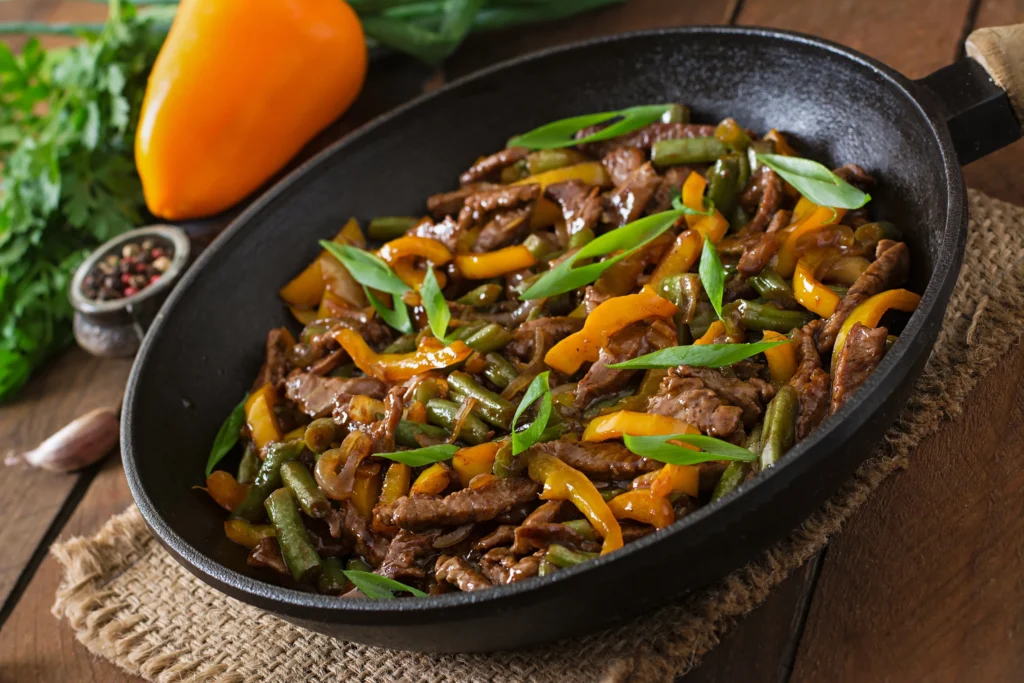
Ground Beef Stir Fry: Flash & Umami
Ground Beef Stir Fry is…
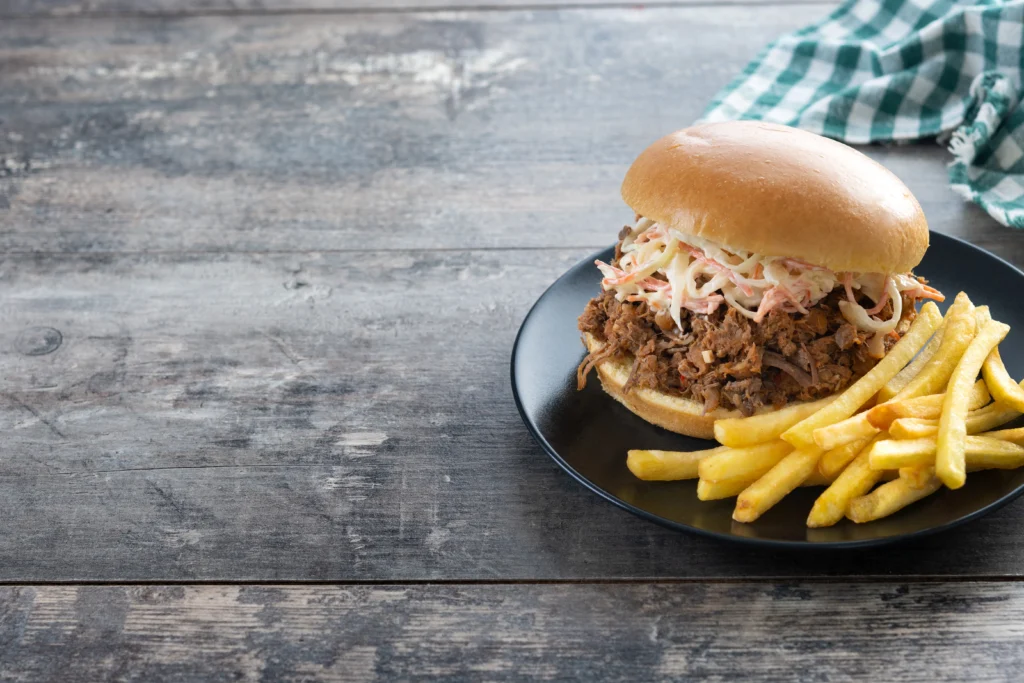
Smoky Sloppy Joe: Ember & Iron
The Smoky Sloppy Joe is…
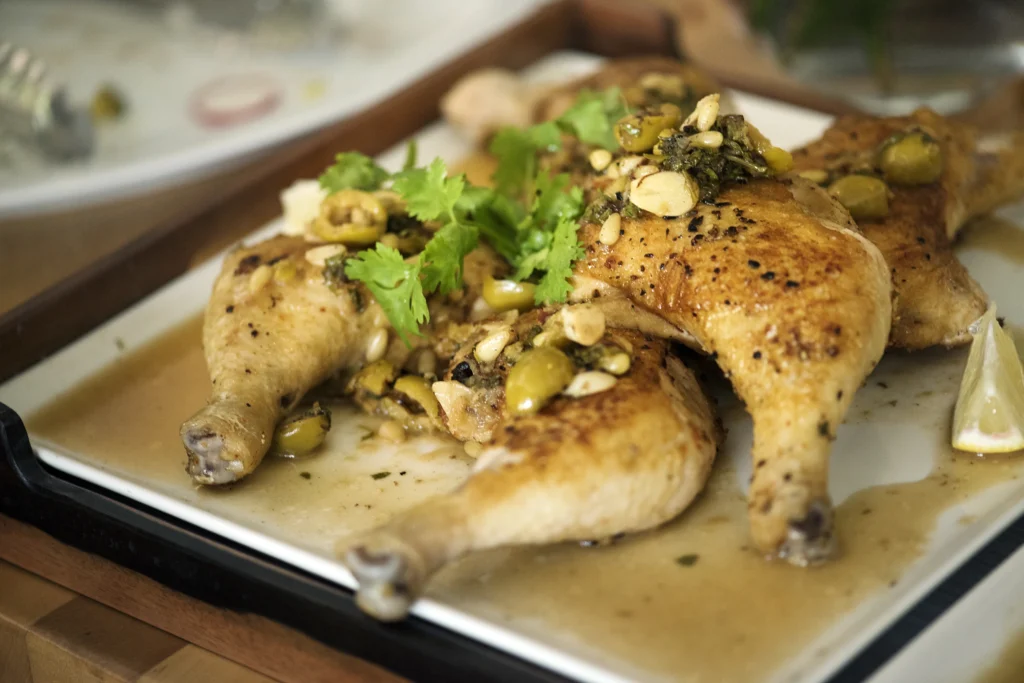
Honey Mustard Chicken: Tang & Timber
Honey Mustard Chicken is a…
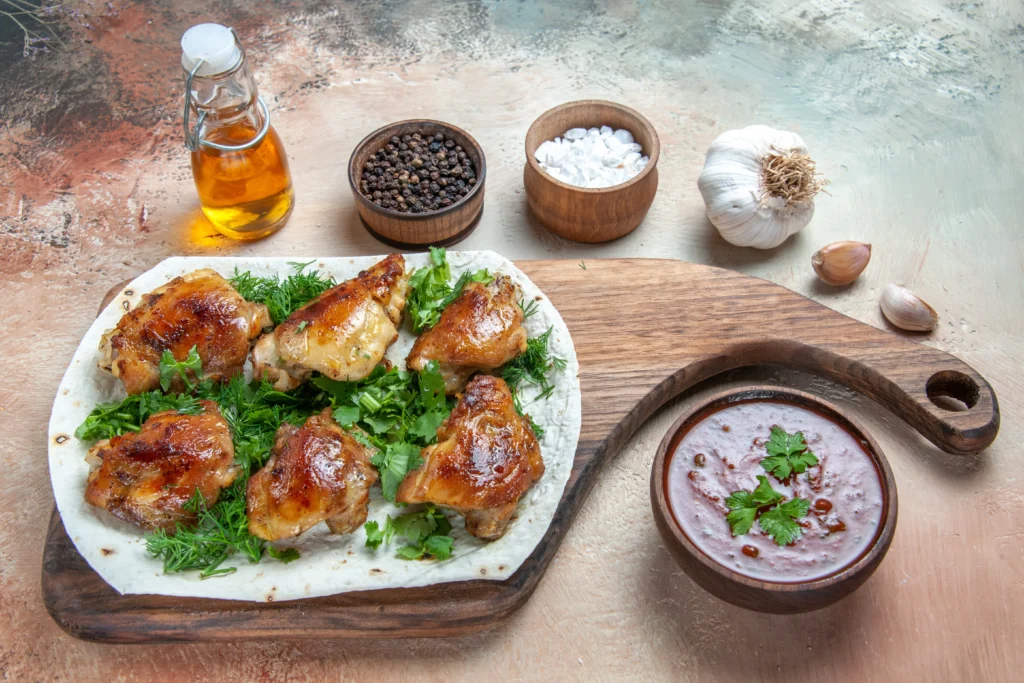
Spicy Garlic Chicken Thighs: Heat & Hinge
Spicy Garlic Chicken Thighs are…